Hello, everyone. Welcome to wearware, your go-to site for shaping the future of the fashion and apparel industry.
In recent years, with the advancement of technology, wearable devices that fuse fashion and technology have brought new value to everyday life. Items such as smartwatches and smart glasses have become indispensable for health management, fitness, and entertainment, spreading as tools that make our lives more convenient and efficient. Meanwhile, smart wear equipped with temperature control functions and sensors combines design and practicality as fashion items, opening up new markets. This article provides a multifaceted explanation—from a basic overview of these technologies to the latest trends, actual product examples, and future prospects in the fashion industry. Let’s explore together how this promising field will bring changes to both the industry and our daily lives.

Table of Contents
- What Are Wearable Devices and Smart Wear?
・Definition of Wearable Devices
・Definition of Smart Wear - The Latest Trends in Wearable Devices and Smart Wear
・Applications in the Health and Fitness Market
・Environmentally Friendly Smart Textiles
・Expansion into Luxury Fashion - Challenges of Wearable Devices and Smart Wear
・Data Privacy and Security
・High Costs of Technology Development
・Gap Between Consumer Expectations and Actual Functionality
・Lack of Consumer Education for Widespread Adoption - Specific Use Cases by Brands
・Wearable Devices
・Successful Brand Cases Utilizing Smart Wearables - Future Prospects for the Fashion Industry
・Smart Fashion Linked with IoT
・Sustainability and the Development of Smart Materials
・Growing Demand for Customizable Products
What Are Wearable Devices and Smart Wear?
Definition of Wearable Devices
Their main uses cover health management (like monitoring heart rate and blood pressure), fitness tracking (such as counting steps and recording calories burned), and entertainment (including music streaming, VR gaming, movie watching, and syncing with live events). These devices are built on IoT (Internet of Things) technology* ―a system where various devices connect and exchange data over the internet. By linking with other gadgets and cloud services, wearable devices offer even greater convenience.
* IoT (Internet of Things) technology: Communication between different devices via the internet, supporting wearable devices and smart wear in enhancing users’ health and lifestyle.
Definition of Smart Wear
Smart wear combines “smart” (intelligent) and “wear” (clothing), referring to garments and accessories embedded with technologies like sensors and electronic circuits within the realm of wearable devices. By integrating digital functions into traditional clothing, smart wear goes beyond being just a fashion item. Many products feature capabilities such as temperature regulation based on external conditions and monitoring vital signs, representing a new category born from the fusion of fashion and technology.
For example, shirts made with durable conductive yarn enable real-time measurement of heart rate and breathing. Conductive yarn is a fiber that conducts electricity while maintaining flexibility and durability, making it ideal for embedding in clothing. Jackets that automatically adjust temperature according to ambient temperature and humidity are also gaining attention in the market.
Moreover, smart wear is evolving not only in sports and medical fields but also as luxury fashion and everyday apparel. In this way, smart wear continues to develop in diverse forms tailored to consumers’ lifestyles, creating new market value as “wearable” technology.
The Latest Trends in Wearable Devices and Smart Wear
Wearable devices and smart wear are rapidly evolving across the fields of health, environment, and luxury. Here, we’ll take a look at the latest developments in each of these categories.
Applications in the Health and Fitness Market
The health and fitness market is one of the areas where wearable devices and smart wear have become most widespread.
For Everyday Health Management
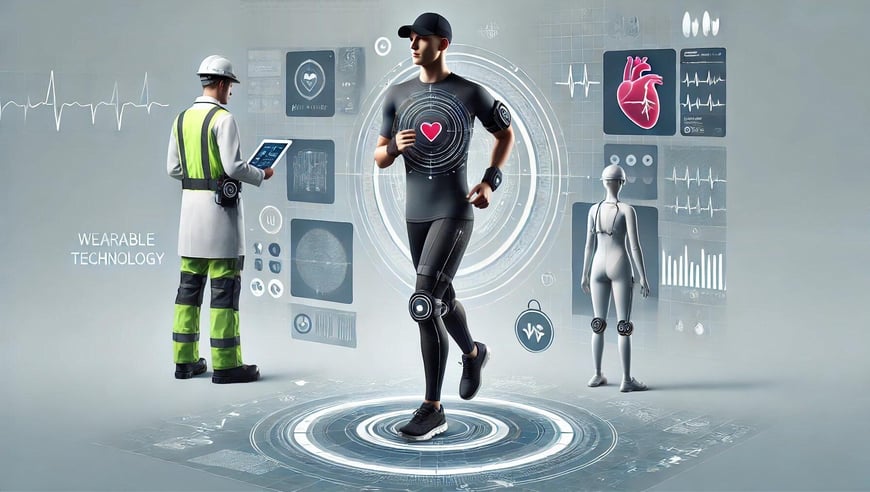
Smart wear designed for health management uses sensors to measure heart rate, blood pressure, body temperature, and more in real time. This is especially beneficial for people with chronic health issues and the elderly, as it allows them to constantly monitor their health status. Smart wear with blood sugar monitoring functions for diabetes patients and devices that record breathing patterns during sleep are opening up new possibilities in health management. These products have established themselves as essential tools for improving both health and quality of life.
For Enhancing Training Effectiveness in Sports
Smart wear designed for sports measures muscle movement, fatigue levels, and exercise volume in real time. This enables athletes to analyze physical load, condition, and their own performance, allowing for more efficient training. For example, smart leggings and shirts are equipped with built-in sensors that provide feedback based on posture and movement, helping users optimize their workouts.
For Health and Safety Protection in Construction and Worksites
“Safety and protective smart wear” developed for workers in construction sites and hazardous environments is gaining attention. These smart garments not only provide safety features such as shock absorption, burn prevention, and protection against chemicals but also contribute to workers’ health management. Equipped with sensors that monitor heart rate, body temperature, and sweat levels, they can detect risks like heatstroke and fatigue, issuing timely warnings. Additionally, some products support proper posture and reduce the impact of vibrations and noise, helping maintain long-term health.
As mentioned above, there are various applications even within the fields of health and fitness, but in order to wear the devices, equipment and clothing that fit the body well are indispensable.
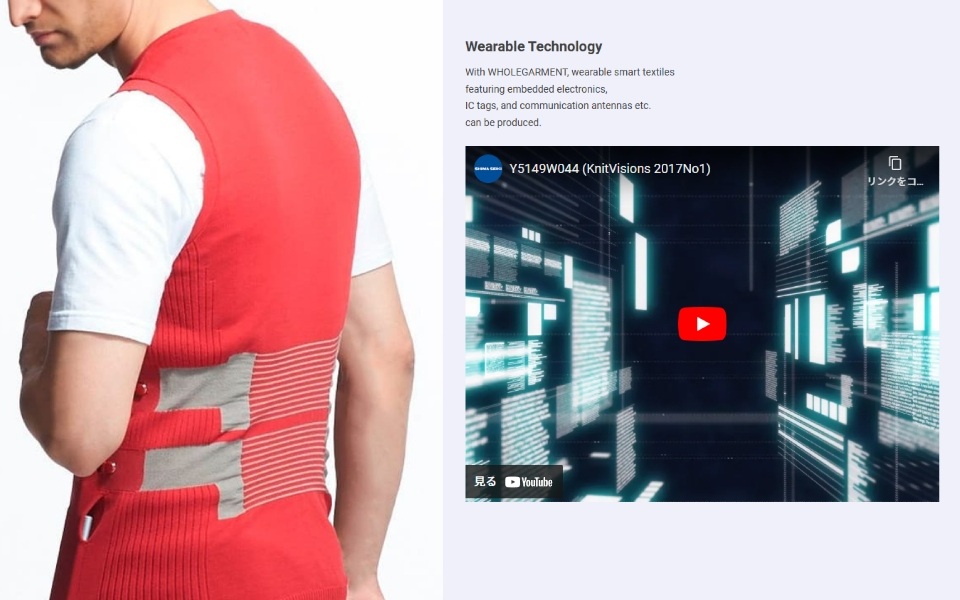
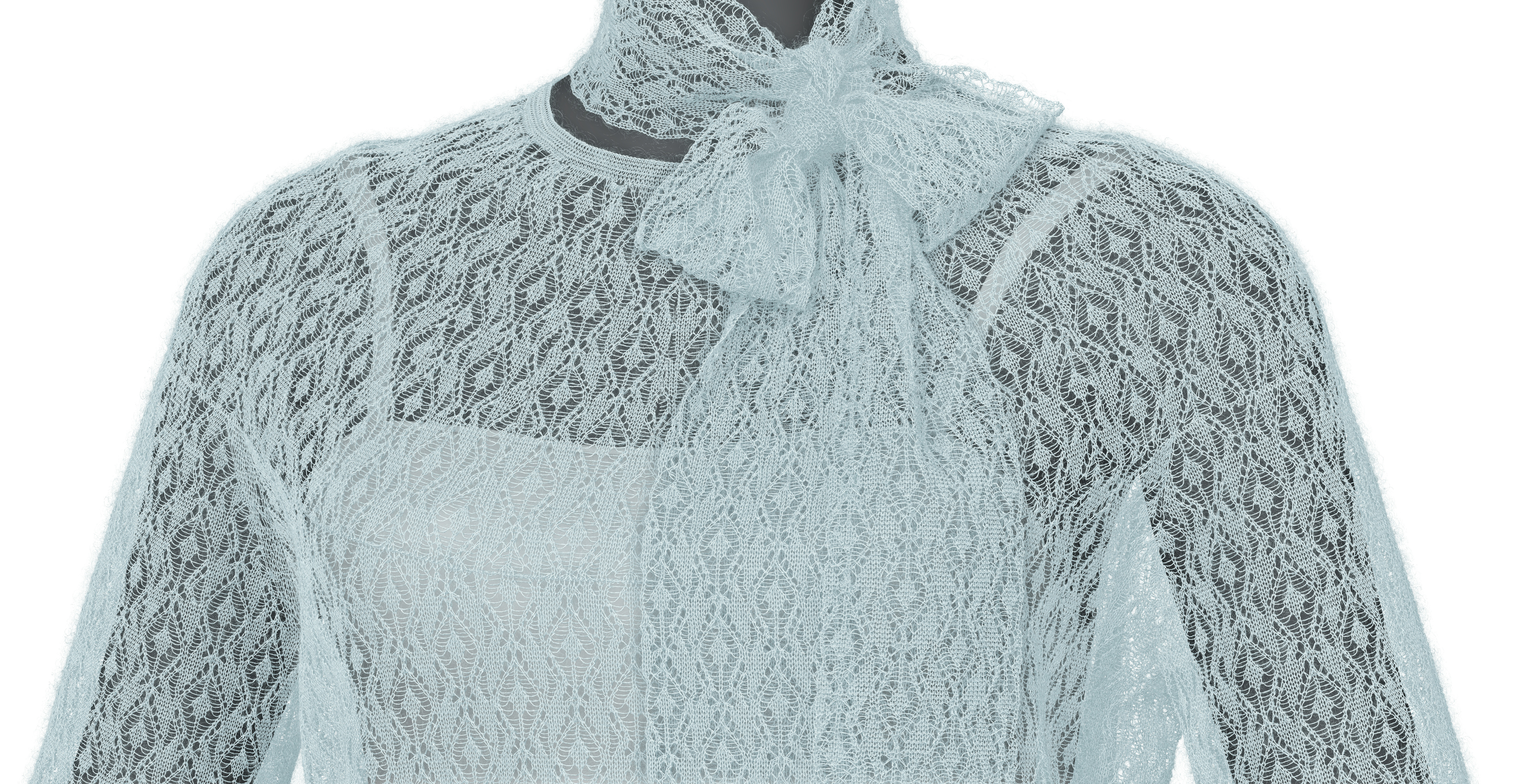
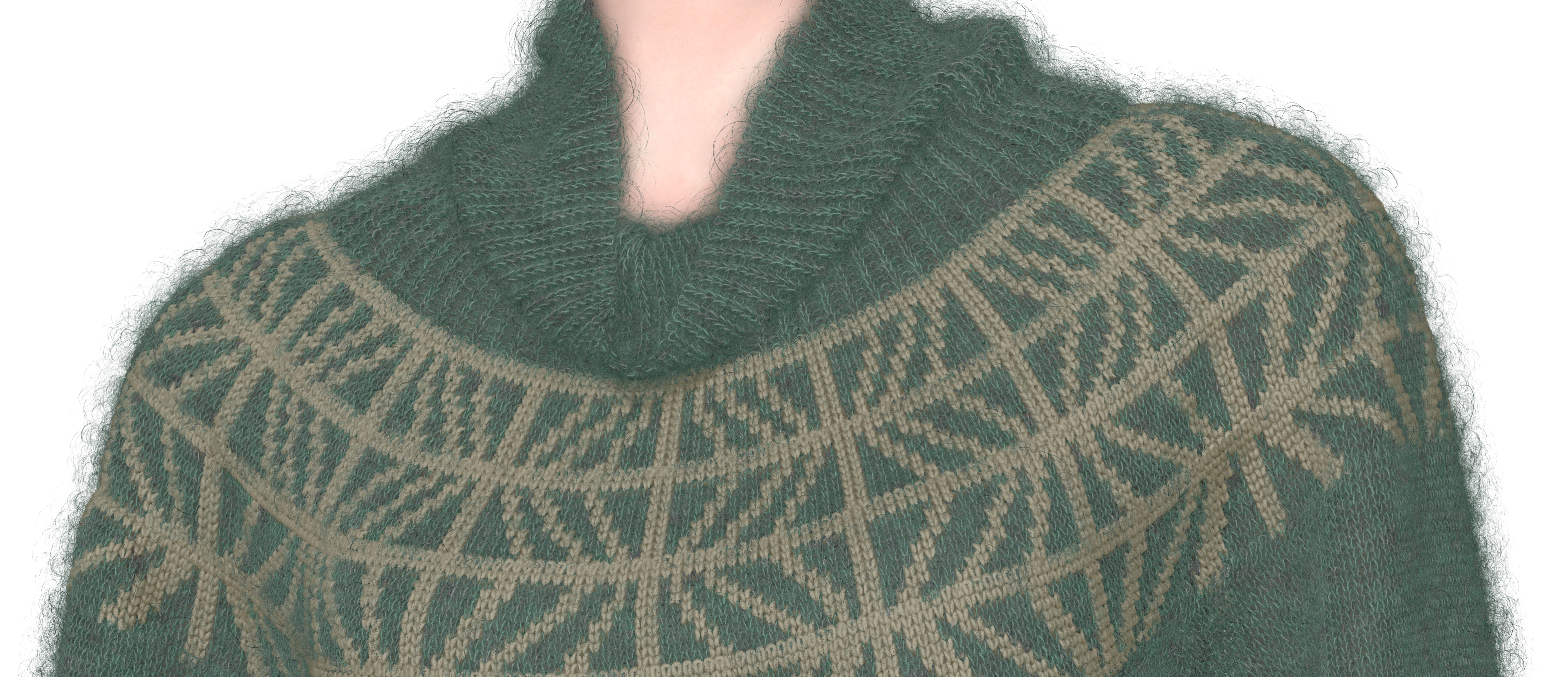
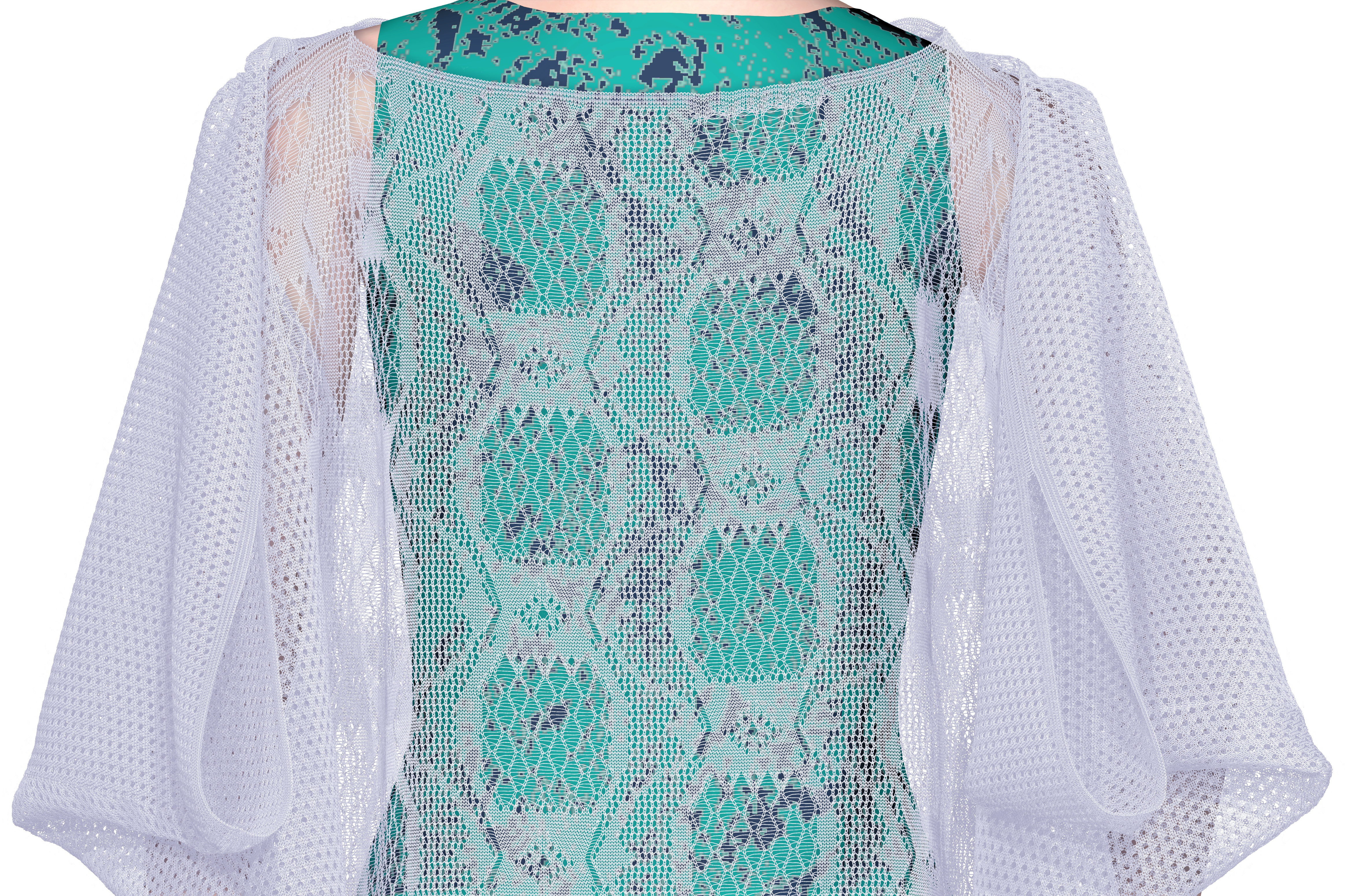
With WHOLEGARMENT®, wearable smart textiles featuring embedded electronics, IC tags, and communication antennas etc. can be produced.
Related Link
Environmentally Friendly Smart Textiles
In today’s world, where environmental awareness is more important than ever, sustainable smart textiles are gaining attention. These products aim to reduce environmental impact by using recycled materials and maximizing energy efficiency.
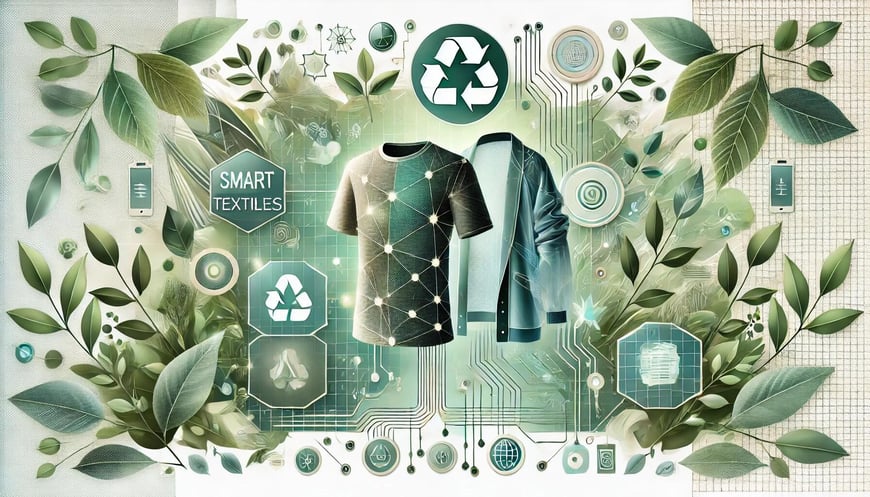
Utilizing Materials That Reduce Carbon Emissions
Smart wear made from recycled polyester helps cut down carbon emissions during the manufacturing process. Plus, jackets equipped with solar power capabilities can generate electricity outdoors to charge electronic devices like smartphones. These kinds of products are steadily growing as next-generation fashion that blends technology with environmental awareness.
Using Temperature Regulation Features
Smart wear that adjusts the temperature inside the clothing based on the surrounding air temperature and humidity is also gaining attention. Some use special yarns, while others have built-in systems that automatically heat or cool in response to detected temperatures. By properly regulating body temperature, these garments can reduce the need for air conditioning and heating, lowering energy consumption and helping to lessen environmental impact.
Technologies That Extend Garment Lifespan
Technologies that extend the life cycle of clothing are also evolving. Textiles with self-healing properties and antibacterial materials that reduce the need for frequent washing are expected to further lessen environmental impact. This allows consumers to enjoy innovative fashion while taking responsibility for the environment.
Expansion into Luxury Fashion
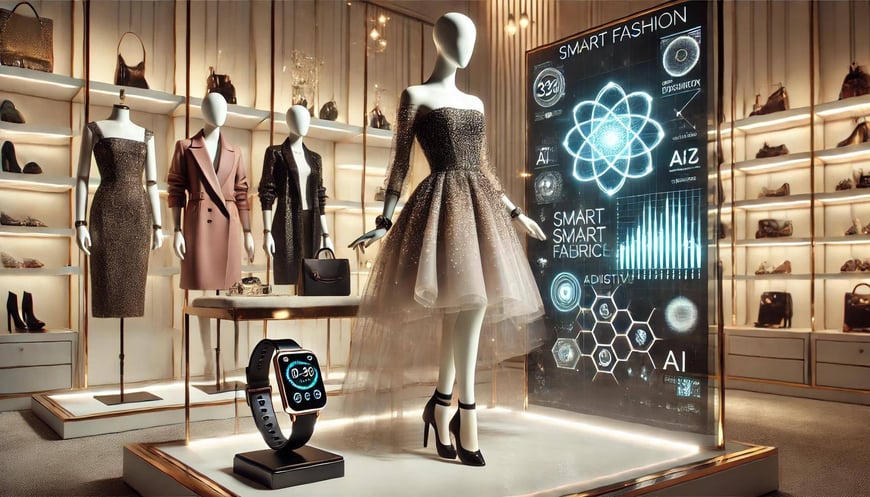
Wearable devices and smart wear have also entered the luxury fashion market, creating a new segment that combines functionality with elegance. This evolution transforms the traditional concept of "dressing up," introducing practical yet sophisticated fashion.
High-end brands are seeing growing popularity in smart accessories. For example, Louis Vuitton’s smartwatches blend refined design with cutting-edge technology, earning recognition not only as fashion items but also as practical devices. Additionally, Gucci has launched limited collections using eco-friendly smart materials, enhancing its brand image while attracting new customer segments.
Challenges of Wearable Devices and Smart Wear
Wearable devices and smart wear hold the potential to enhance corporate competitiveness, but their adoption and widespread use face several challenges. Key concerns include data privacy and security, high costs of technological development, and the gap between consumer expectations and actual functionality. Addressing these issues is essential for broader market penetration and sustainable growth. Below, we provide a detailed explanation of the main challenges.
Data Privacy and Security
Wearable devices and smart wear collect large amounts of personal data, so companies need to establish strict privacy policies and robust data management systems. Especially when handling sensitive information such as medical or health data, thoroughly eliminating risks of leaks and unauthorized use is a crucial factor in gaining trust.
High Costs of Technology Development
The demand for advanced sensors, batteries, and communication functions tends to drive up product development costs. This poses a significant challenge for small and medium-sized enterprises in securing development funds. Additionally, research and development expenses to maintain competitiveness, as well as maintenance costs after market launch, are necessary. In highly competitive markets, it is essential to balance demonstrating technological excellence with controlling costs to price products appropriately.
Gap Between Consumer Expectations and Actual Functionality
Users demand both advanced functionality and appealing design, so companies must meet these requirements simultaneously. In particular, if sensors or batteries are conspicuous in smart wear designs, the fashion appeal may be compromised, potentially reducing consumers’ willingness to purchase. Additionally, some products face criticism for complex operation or excessive features that make daily use difficult. Companies need to accurately understand user needs and provide simple yet practical products.
Lack of Consumer Education for Widespread Adoption
Insufficient consumer education about the convenience and specific usage of smart wear can lead to lower product adoption rates. Therefore, it is necessary to develop marketing strategies and training programs that accurately convey the appeal of the products.
Specific Use Cases by Brands
Here, we will introduce concrete examples of wearable devices and successful cases of brands utilizing smart wear.
Wearable Devices
We will introduce specific wearable devices and their respective features.
Fitbit "Fitbit Charge Series"
Fitbit, a subsidiary of Google, is known as a pioneer in wearable devices. The Charge series is a multifunctional smart band equipped with features such as heart rate monitoring, sleep tracking, and activity measurement.
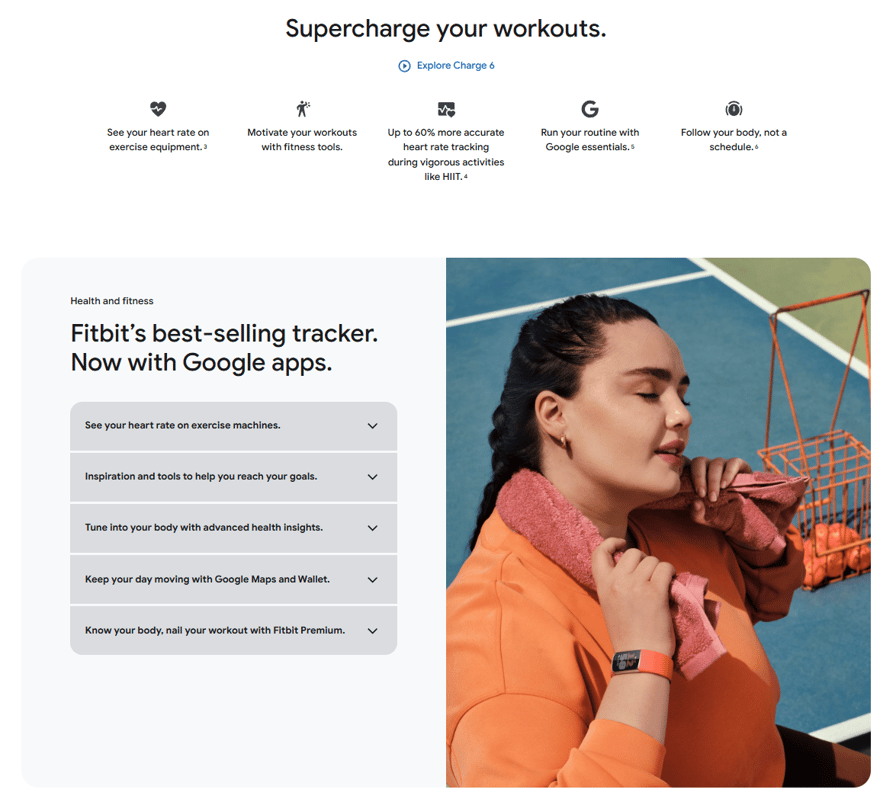
From the Fitbit official website
Oura Health "Oura Ring"
Developed by Finnish health technology company Oura Health, the Oura Ring is a compact smart ring that measures sleep quality and physical activity levels. It excels particularly in sleep tracking, providing detailed analysis of deep and light sleep phases.
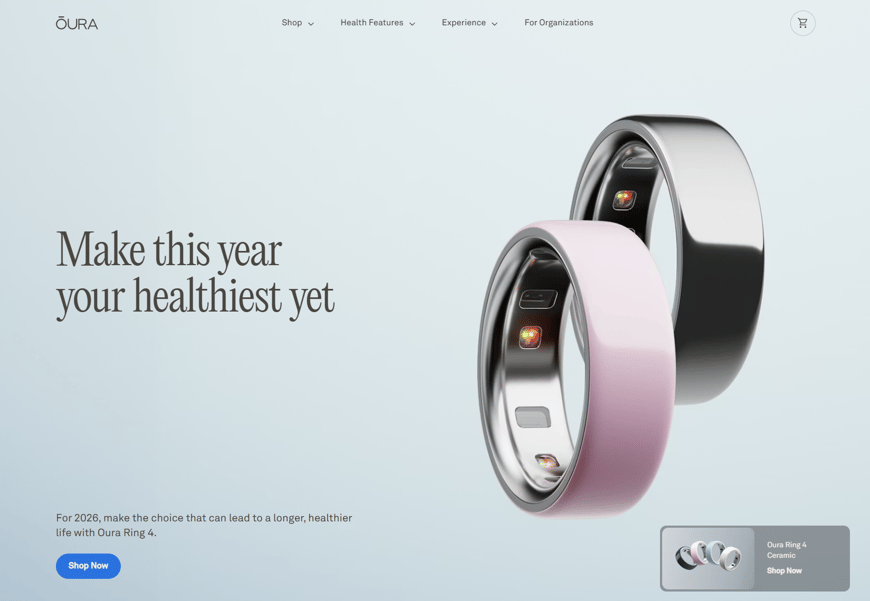
From the Oura Ring official website
Garmin "Forerunner"
Founded in the United States and now headquartered in Schaffhausen, Switzerland, Garmin is a manufacturer of GPS-related devices. The Forerunner is a GPS-enabled smartwatch specifically designed for runners. It offers a variety of features such as heart rate monitoring, VO2max estimation (maximum oxygen uptake), and training load analysis, all of which help improve athletic performance.
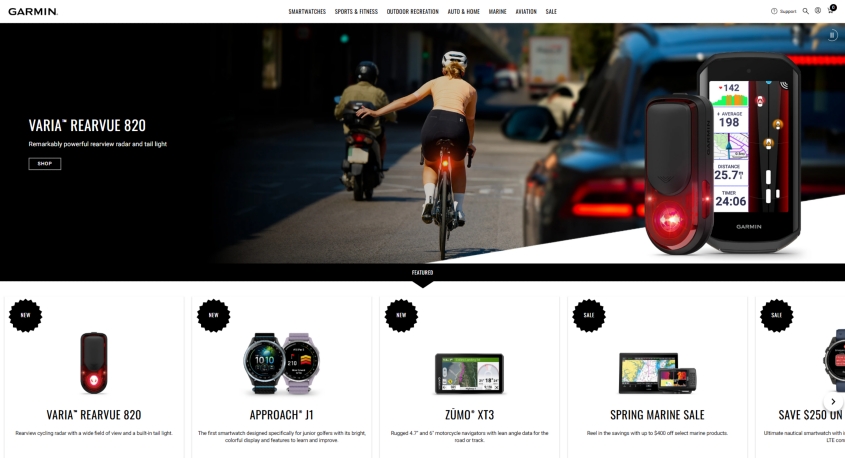
From the Garmin official website
XREAL "XREAL Light"
XREAL, a Chinese startup specializing in augmented reality (AR) technology, develops and sells smart glasses. The XREAL Light is a lightweight and stylish AR smart glass featuring a high-resolution display that delivers a vivid visual experience. It can be connected to smartphones and supports various applications such as gaming and movie watching. With gesture controls and voice commands, it offers intuitive operation. This device is versatile, suitable for a wide range of uses from entertainment to business.
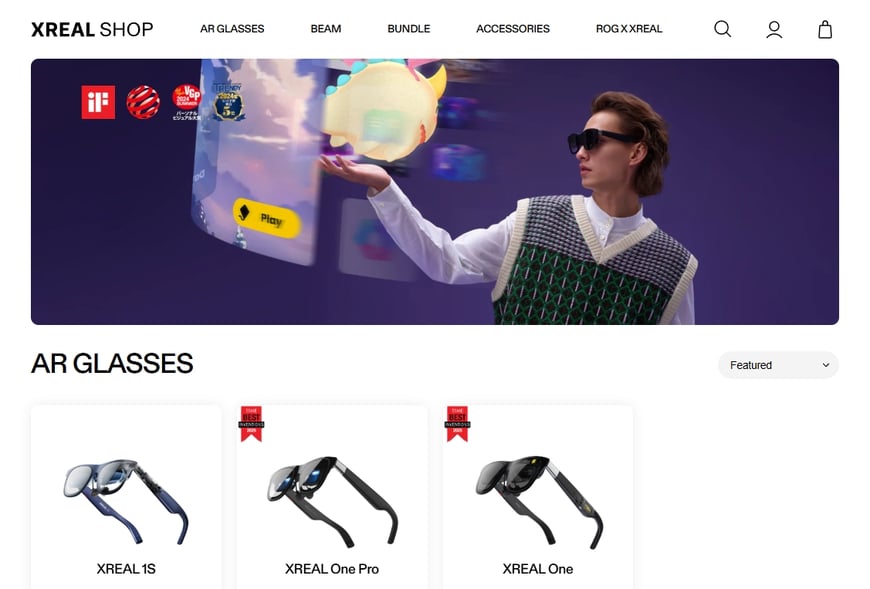
From the XREAL official website
Successful Brand Cases Utilizing Smart Wearables
Here, we introduce specific smart wearable products, their features, and examples of brands that have achieved success by leveraging them.
Under Armour "UA Recover"
Under Armour, a sports equipment manufacturer headquartered in Maryland, USA, offers UA Recover, a recovery wear designed to reduce muscle fatigue and support recovery. The special fabric infused with minerals reflects the energy expended back to the muscles, helping to reduce the sensation of fatigue and accelerate recovery.
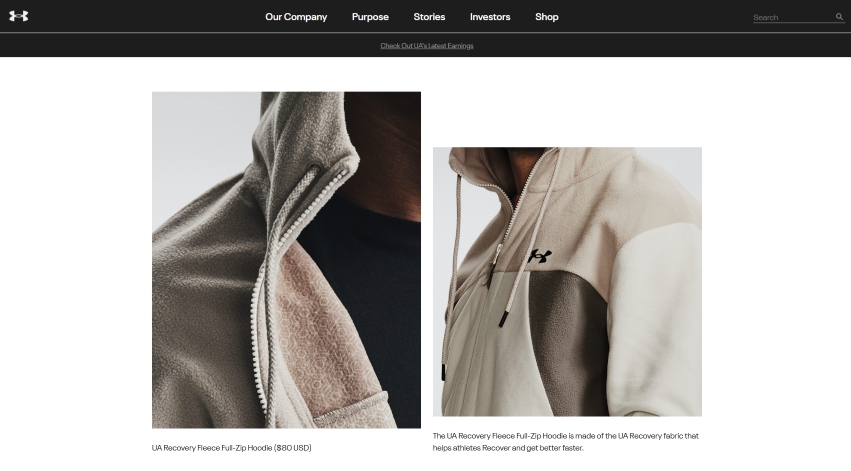
From the UNDER ARMOUR official website
Sensoria "Sensoria Fitness"
Sensoria, headquartered in Washington State, USA, offers various smart wearables such as smart socks and sports bras. These products are equipped with built-in sensors that monitor data like running form and heart rate in real time, which can be analyzed through a dedicated app.
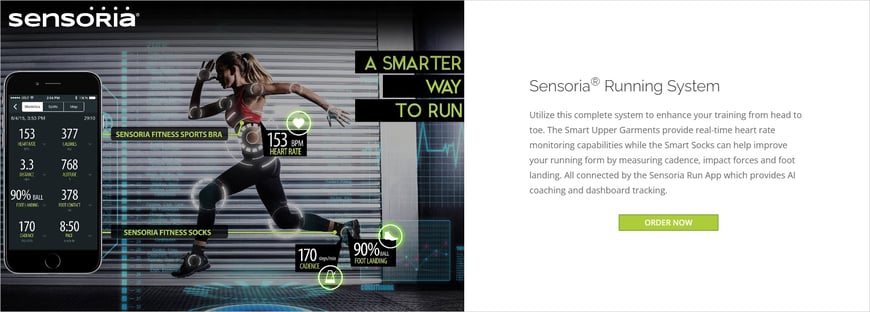
From the Sensonia official website
Hexoskin "Smart Shirts"
Hexoskin, founded in Montreal, Canada, provides wearable biosensors and data analytics platforms. They have developed smart shirts capable of long-term monitoring of electrocardiograms (ECG), breathing patterns, and activity levels. The data recorded by these shirts is used not only to enhance athletes' performance but also increasingly applied in the medical field.
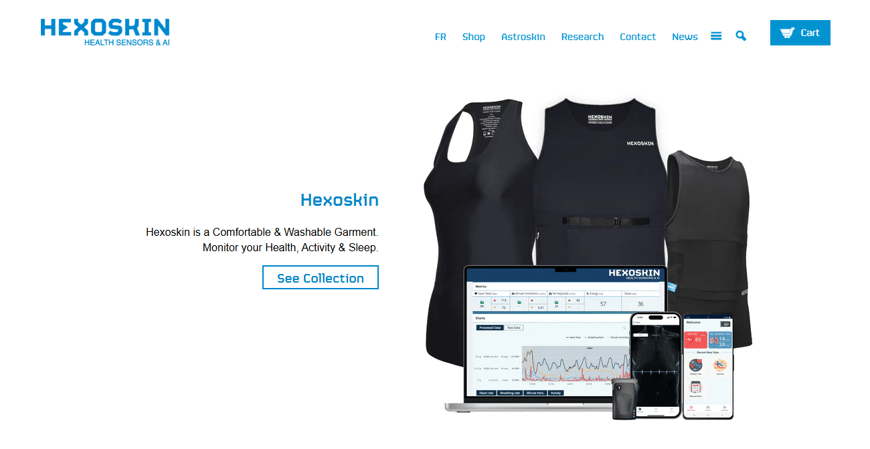
From the Hexoskin product page on the Kissei Comtec official website
Future Prospects for the Fashion Industry
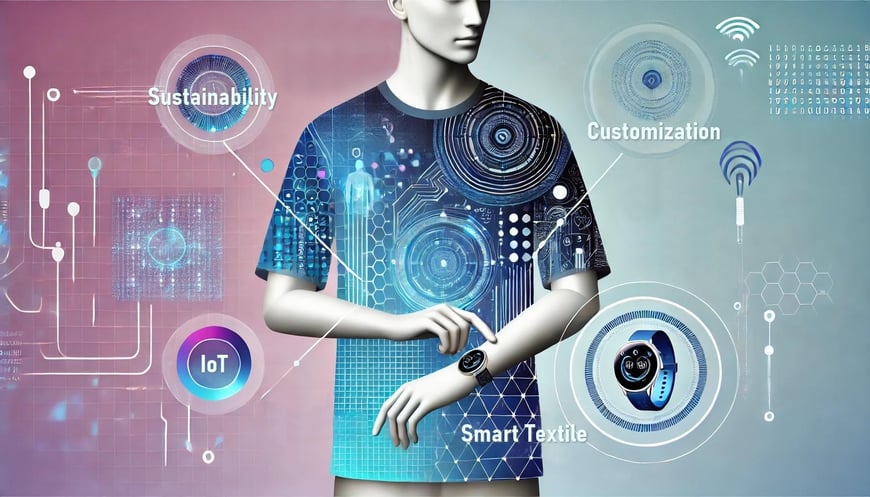
Smart Fashion Linked with IoT
The Internet of Things (IoT) is expected to continue playing a crucial role in the evolution of smart wearables. IoT-enabled smart wearables can connect with other devices and systems, enabling more convenient and efficient lifestyles.
For example, an IoT-enabled jacket can automatically adjust indoor temperature by linking with a smart home system or allow users to check their schedules through voice assistants. Wearables equipped with GPS functions enhance safety during outdoor activities and enable real-time location sharing. Such products are especially beneficial for urban lifestyles, allowing users to quickly receive public transportation delay information or share their location with family members for prompt support in emergencies.
Furthermore, IoT technology is impacting the fashion industry’s sales processes. Sensors embedded in clothing can record wearing frequency and usage conditions, enabling product improvements and personalized recommendations based on data. In this way, the fusion of IoT and smart wearables is creating richer customer experiences and driving innovation toward the future of fashion.
Sustainability and the Development of Smart Materials
Amid growing concerns about environmental issues, the fashion industry is expected to continue advancing the development of smart materials with a focus on sustainability. This includes recyclable materials and manufacturing processes that utilize renewable energy.
Smart materials are gaining attention not only for their eco-friendliness but also for their ability to meet consumer needs. The combination of sustainability and smart materials represents a key factor shaping the future of the fashion industry.
Growing Demand for Customizable Products
As consumers seek products that reflect their individuality and lifestyles, the potential for customization in smart wearables has become increasingly important. Customizable smart wearables are attractive not only because of design options but also due to the ability to individually adjust functionality and data analysis.
For example, in sports-oriented smart wearables, monitoring functions and feedback can be personalized based on individual training goals and body data. Additionally, brands catering to fashion-conscious consumers are offering design options that allow selection of colors and materials.
Furthermore, services have emerged that propose optimally fitting products based on body measurements obtained through 3D scanning and motion data collected via artificial intelligence (AI) technologies during daily activities or sports. This evolution in customization not only strengthens trust between consumers and companies or brands but also contributes environmentally by enabling waste reduction through more efficient manufacturing processes. Customizable smart wearables are poised to offer a new generation of fashion experiences.
Wearable devices and smart wear have become the key to expanding possibilities for innovation in the fashion industry. These products contribute to health management and increased sustainability, leading to new business opportunities. For example, the introduction of smart wear aimed at enhancing employee safety and data-driven product development will provide many companies with a competitive advantage.
Moreover, through integration with IoT and AI, it has become possible to personalize products and perform real-time analysis of collected data, which is expected to function as new added value. On the other hand, addressing challenges such as data security and technology costs is an important theme that will affect future market growth.
The future of fashion is expected to be dominated by "smart" products that combine functionality with style, enriching and making people's lives more comfortable. Paying attention to upcoming market trends and strategically considering how companies can utilize these technologies will be key to their success.
wearware supports the digitalization of fashion design.
Stay tuned for more updates!